
Ehrlich gesagt, you don’t really notice a handrail—until you need one. And then suddenly, it’s everything. Stability. Confidence. A small металлический элемент, but with a surprisingly big emotional weight behind it. Especially for people with limited mobility, where each step can feel like a calculated move, almost like placing a careful bet.
Mal unter uns, the process of creating ergonomic handrails reminds me of strategy in online slots or even betting systems. You measure, rethink, adjust angles, test grip textures. Nothing random here, although sometimes it feels like chasing the perfect combination. Funny enough, while reading about risk and reward patterns on https://betalice.cfd, I caught myself thinking—designers play their own quiet game too.
Wer schon mal struggled with balance knows: the right support changes everything. It’s not just safety—it’s independence. And that’s where thoughtful design steps in, without noise, without applause. Just a steady line along the wall. Simple? Maybe. But honestly, behind that simplicity sits a whole philosophy of care, precision, and, yes… a bit of calculated courage.
In der Stadt Frankfurt, zwischen Kliniken und alten Wohnhäusern, wirken ergonomische Handläufe fast unsichtbar, und doch verändern sie den Alltag von Menschen mit eingeschränkter Mobilität spürbar. Ehrlich gesagt denkt man selten darüber nach, bis man selbst auf Halt angewiesen ist. Wer schon mal weiß, wie sehr ein Griff Sicherheit gibt, besonders wenn jeder Schritt zählt und der Boden sich plötzlich unsicher anfühlt, wie ein wackeliger Einsatz in einem Online-Slot-Spiel.
Interessant wird es, wenn man den Blick weg vom Offensichtlichen lenkt: Planung, Material, Winkel – alles wirkt nüchtern, fast wie ein Algorithmus hinter Online-Casinos, in denen rabona eher als Tor zum Wettgefühl verstanden wird, mit Sportwetten, Slots und kleinen digitalen Glücksmomenten. Mal unter uns, die Parallele zwischen Sicherheit im Alltag und dem Risiko beim Betten auf Spiele ist gar nicht so weit hergeholt, wie es zuerst klingt.
Vielleicht ist es diese Mischung aus Technik und Gefühl, die solche Handläufe so wichtig macht. Sie geben Halt, ohne laut zu sein, fast bescheiden. Und während irgendwo jemand auf Gewinne, Karten oder Lotterien setzt, bleibt hier nur die stille Gewissheit: ein guter Griff kann mehr verändern als man denkt, manchmal sogar den ganzen Weg durch den Tag.
In Frankfurt oder jeder anderen Stadt merkt man erst, wie wichtig ergonomische Handläufe sind, wenn der Körper nicht mehr selbstverständlich mitspielt. Mal unter uns, man denkt selten daran, bis ein Treppenhaus plötzlich wie ein kleines Risiko wirkt. Wer schon mal mit Unsicherheit Schritte gesetzt hat, weiß, wie viel ein gut geformter Griff bedeuten kann, fast wie ein stiller Helfer im Hintergrund, der nichts verlangt, aber alles gibt.
Technisch wirken diese Lösungen fast wie Systeme in der digitalen Welt, ein bisschen wie Glücksspielmechaniken in Online-Casinos, wo Zufall und Kontrolle sich mischen. Ehrlich gesagt erinnert mich das an Slots, an kleine Momente von Spannung, die man nicht ganz steuert. In diesem Gedankenraum taucht auch https://casino-tsars.com.de/en-de/ auf, während man über Sicherheit und Risiko nachdenkt, als würden beide Welten sich heimlich berühren.
Am Ende bleibt die Frage: bauen wir nur Handläufe oder eigentlich Vertrauen in Bewegung? Vielleicht beides. Und während irgendwo Karten gemischt werden oder eine neue Runde startet, hält ein Griff im echten Leben einfach nur fest. Mehr braucht es oft nicht.
Ergonomic handrails for people with reduced mobility are often treated as pure infrastructure, yet ehrlich gesagt they feel more like silent companions in everyday navigation. In hospitals, apartments or train stations they shape confidence in small, almost invisible ways. wer schon mal seen someone gripping a cold metal rail in the morning rush knows what I mean. It is not just construction, it is reassurance, slightly imperfect but necessary.
Strangely enough, the logic of stability appears even in unexpected places like online betting platforms and slots games, where users chase balance between risk and control. One might even stumble across offers such as Best deposit bonus AU while browsing digital entertainment, and realise how different systems still revolve around trust. Ergonomic design and digital wagering both, in their own way, rely on predictable support structures, even if one is physical and the other purely virtual.
mal unter uns, isn’t it curious how safety becomes a form of invisible design language? In handrails or in betting odds, people look for something steady to hold onto. Maybe that is why small details matter more than grand promises. Or maybe I am overthinking it after too much coffee.
Ergonomic handrails for people with reduced mobility are one of those things you barely notice until you need them. They sit quietly in corridors, stairwells, hospital hallways, doing their job without applause. Honestly, they shape confidence in movement more than most people realise. A short grip, a steady breath, and suddenly a difficult step feels less like a gamble.
Strangely, I sometimes think about how design principles echo in places far away from architecture. Even online casinos, with their flashing slots and bets, rely on a sense of control and expectation. Somewhere between risk and routine, users look for stability—just like someone reaching for a rail. And if you ever browse offers like Exclusive casino promotions, you notice how even digital entertainment builds its own version of support systems, however illusionary they might be.
Anyone who has watched someone navigate a slippery platform understands how thin the line is between confidence and hesitation. Maybe that is why good ergonomic design feels almost invisible—it removes doubt before it even forms. And maybe I am overthinking it, but there is something oddly human in both handrails and chance-based games: we keep searching for something steady in uncertain moments.
Ergonomic handrails for people with reduced mobility are rarely celebrated, yet they decide how a hallway feels, whether a stairwell becomes friendly or hostile. ehrlich gesagt, I’ve seen places where a few centimetres of better grip changed everything. wer schon mal watched someone hesitate on a step knows that pause. It is small, but it stretches time. Designers think in load, angle, material; users think in fear and relief. Somewhere between these worlds, safety is quietly negotiated.
Oddly enough, this logic reminds me of digital spaces where control feels simulated, like slots, bet sizing and constant anticipation. In online gambling, certainty is never fully real, only suggested. That is why platforms such as Regulated gambling sites AU feel structured, almost architectural, even when dealing with risk, wagers and unpredictable outcomes.
Maybe it is strange to compare handrails and gambling, but both deal with uncertainty in their own language. mal unter uns, humans just want something to hold onto, physically or mentally. And sometimes that need is louder than we admit.
Ergonomic handrails for people with reduced mobility are one of those design elements you only really notice when something goes wrong or when you suddenly need them. ehrlich gesagt, they are less about steel and screws and more about dignity in motion. wer schon mal watched an elderly person pause before a step knows that micro-second of hesitation. Designers talk about angles, grip diameter, friction, but users just want certainty. Not glamour. Just something steady that doesn\'t betray them halfway up a stairwell.
Strangely, the logic of support systems appears in unexpected places, even in online gambling environments where anticipation and control mix in strange ways. slot machines, betting lines, card tables, all built on the illusion of stability within randomness. mal unter uns, humans seem to crave that mix. And while browsing platforms like Live blackjack Australia one notices how structure is wrapped around chance, almost like a digital handrail guiding decisions through uncertainty. Maybe that is the real design question: how to make risk feel holdable.
Ergonomic handrails for people with reduced mobility sit between engineering and quiet empathy. ehrlich gesagt, you only really notice them when balance feels uncertain. wer schon mal watched a hesitant step knows that pause that stretches time. Designers talk load and angles, but life is softer, less predictable. Still, a simple rail can change fear into movement.
Oddly enough, the same logic appears in online gambling spaces, where slots, blackjack and betting systems promise structure inside randomness. mal unter uns, it feels a bit like gripping something before you fall. Platforms like Safe online gambling Australia wrap chance in rules, odds and expectations, giving players a sense of control even when outcomes are uncertain. Maybe not physical safety, but a similar psychological support.
Maybe that is why good design disappears so easily. It just works, and nobody talks about it. ehrlich gesagt, we only value it when it is missing.
Ergonomic handrails for people with reduced mobility rarely get attention, yet they decide whether a corridor feels safe or hostile. ehrlich gesagt, most people notice them only when balance turns uncertain. A hand on cold metal, a pause before stepping forward, space suddenly feels personal. wer schon mal watched that hesitation knows how quickly confidence can fade.
Strangely enough, similar ideas of structure appear in digital environments filled with slots, cards and betting systems. mal unter uns, online casinos rely on shaping randomness into something readable, almost comforting. You see it in rules, timing, feedback loops. In that sense, platforms like rooli casino reflect how people try to hold onto control even when outcomes stay uncertain.
Maybe that is the real question: how do we design support for uncertainty without pretending it vanishes? ehrlich gesagt, even small physical cues can matter more than explanations. A grip, a pause, a moment of trust.
Ergonomic handrails for people with reduced mobility are often treated as background infrastructure, but they decide how safe a space actually feels. ehrlich gesagt, you only notice them when balance becomes uncertain. wer schon mal watched someone hesitate before a step knows that tiny pause that stretches time. Designers talk about measurements and load, but real life is messier, less predictable, almost fragile.
Oddly enough, this logic appears in digital gambling spaces filled with slots, cards and betting systems, where structure is built around randomness. mal unter uns, players still search for something steady inside the chaos. That is why platforms like rooli feel almost architectural, wrapping chance, odds and anticipation into rules that make uncertainty easier to hold, even if only for a moment.
Maybe that is the real design question: how to create support that does not disappear under pressure. ehrlich gesagt, even a simple rail or a digital system tries to answer the same thing: how do we keep moving when uncertainty appears?
Ergonomic handrails for people with reduced mobility are rarely noticed until the body suddenly depends on them. ehrlich gesagt, they are less about architecture and more about small negotiations with fear. wer schon mal seen a shaky step on a stairwell knows that pause that stretches like rubber. Designers calculate grip, height, texture, but real life ignores clean formulas. It is messy, sometimes slow, sometimes almost tender in its hesitation.
Strangely, this sense of control appears in digital gambling spaces too, where uncertainty is wrapped in rules and flashing expectations. slots spin, cards flip, and bets hover between instinct and calculation. mal unter uns, it feels similar to gripping something before a fall. Platforms like Professional croupiers live mix live dealing with online rhythm, turning chance into something almost touchable. Still, whether it is betting, lotteries or online slots, people keep searching for a steady point inside randomness.
Maybe that is what good design really does: it does not remove uncertainty, it just gives the hand somewhere to land. ehrlich gesagt, that might be enough.
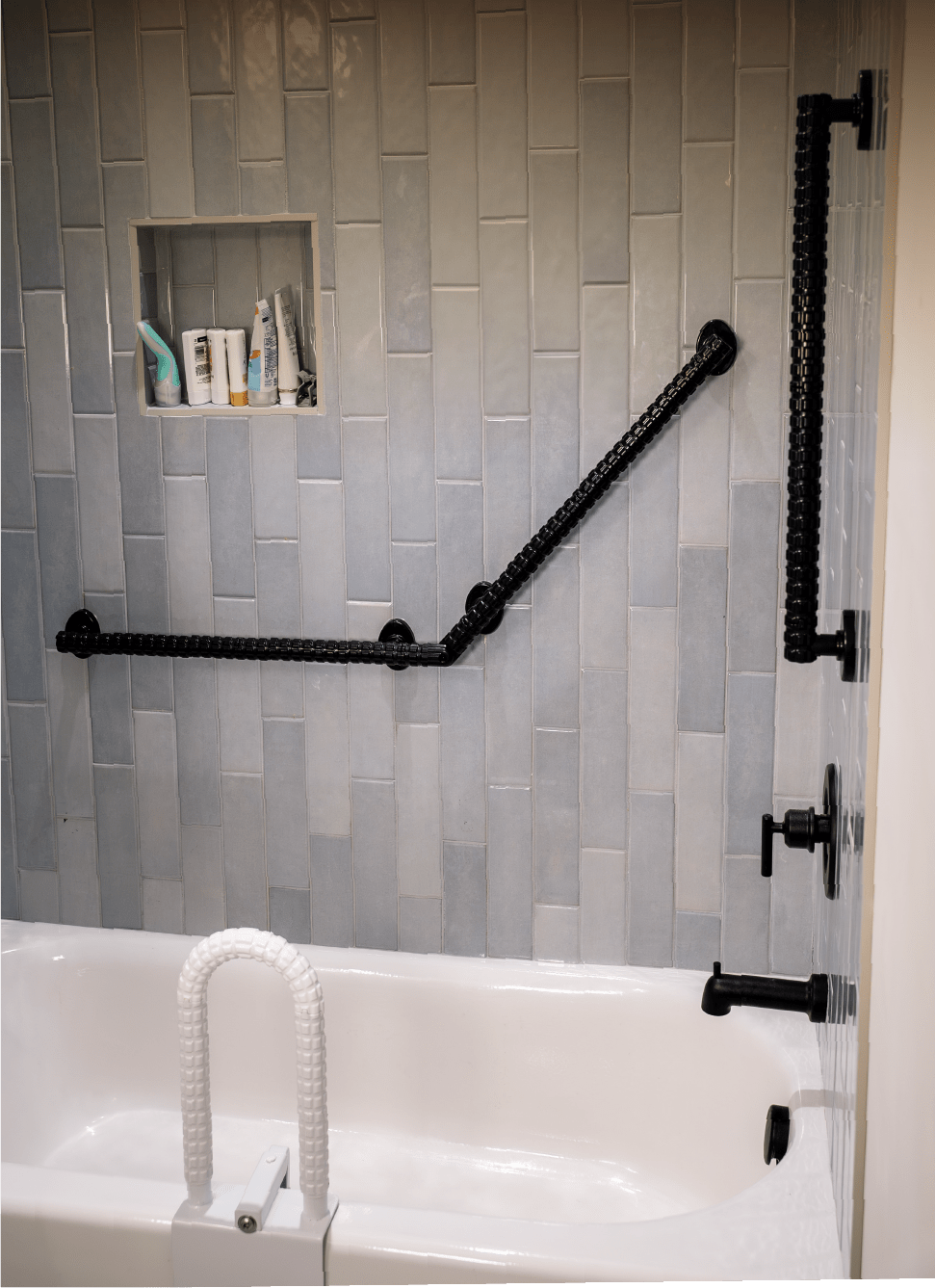
Hartmobility is dedicated to enhancing independence and fall prevention with advanced accessibility products. Our solutions combine thoughtful design and proven technology to support confident, independent living.
Founded to improve where traditional old designs fell short, the company was inspired by Andy Hart’s experience supporting his son Julian during recovery from a severe auto accident. That journey led to SafetyGrip®, helping people move with confidence, independence, and dignity.

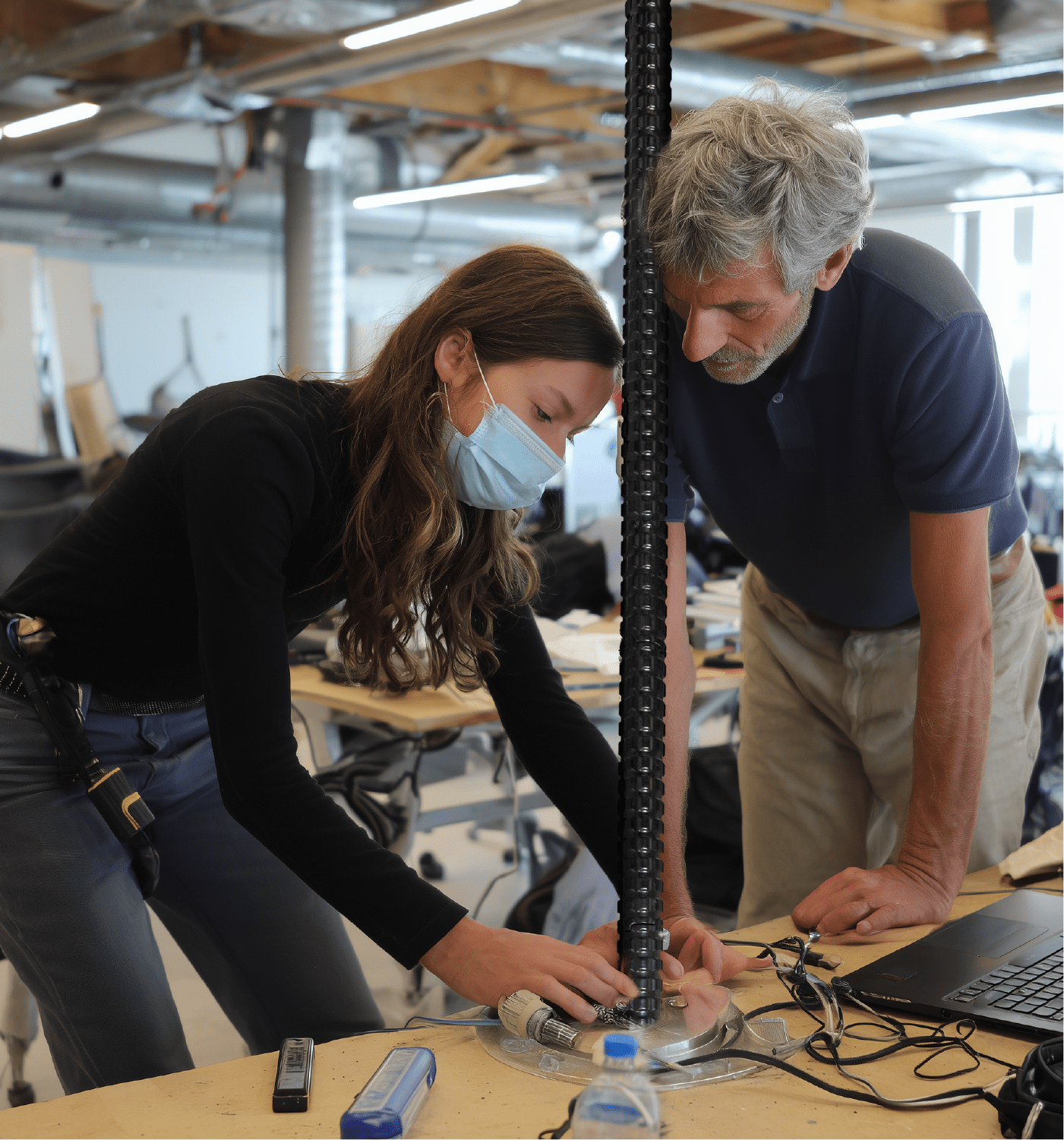
PROGRESS THROUGH INNOVATION
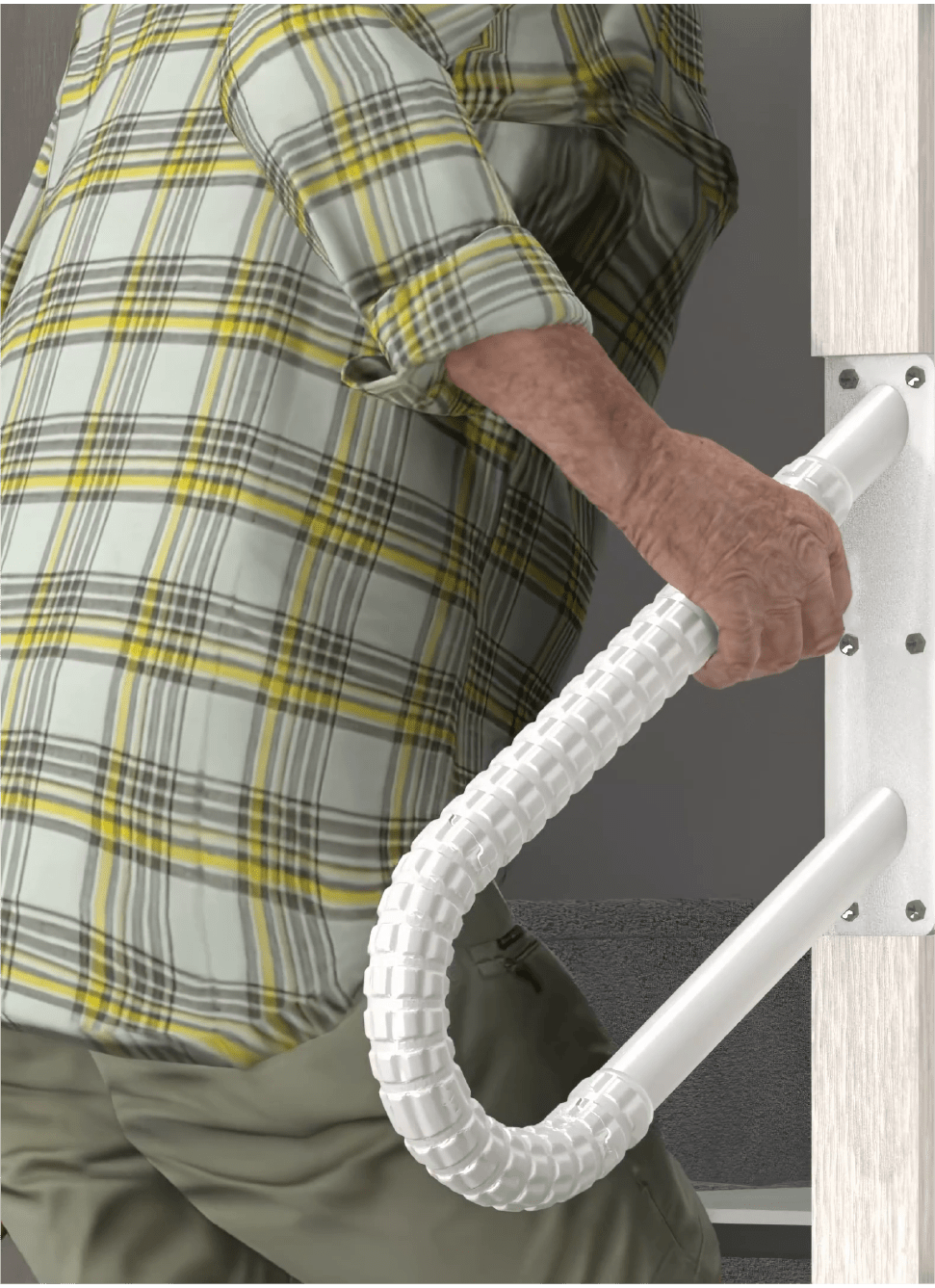
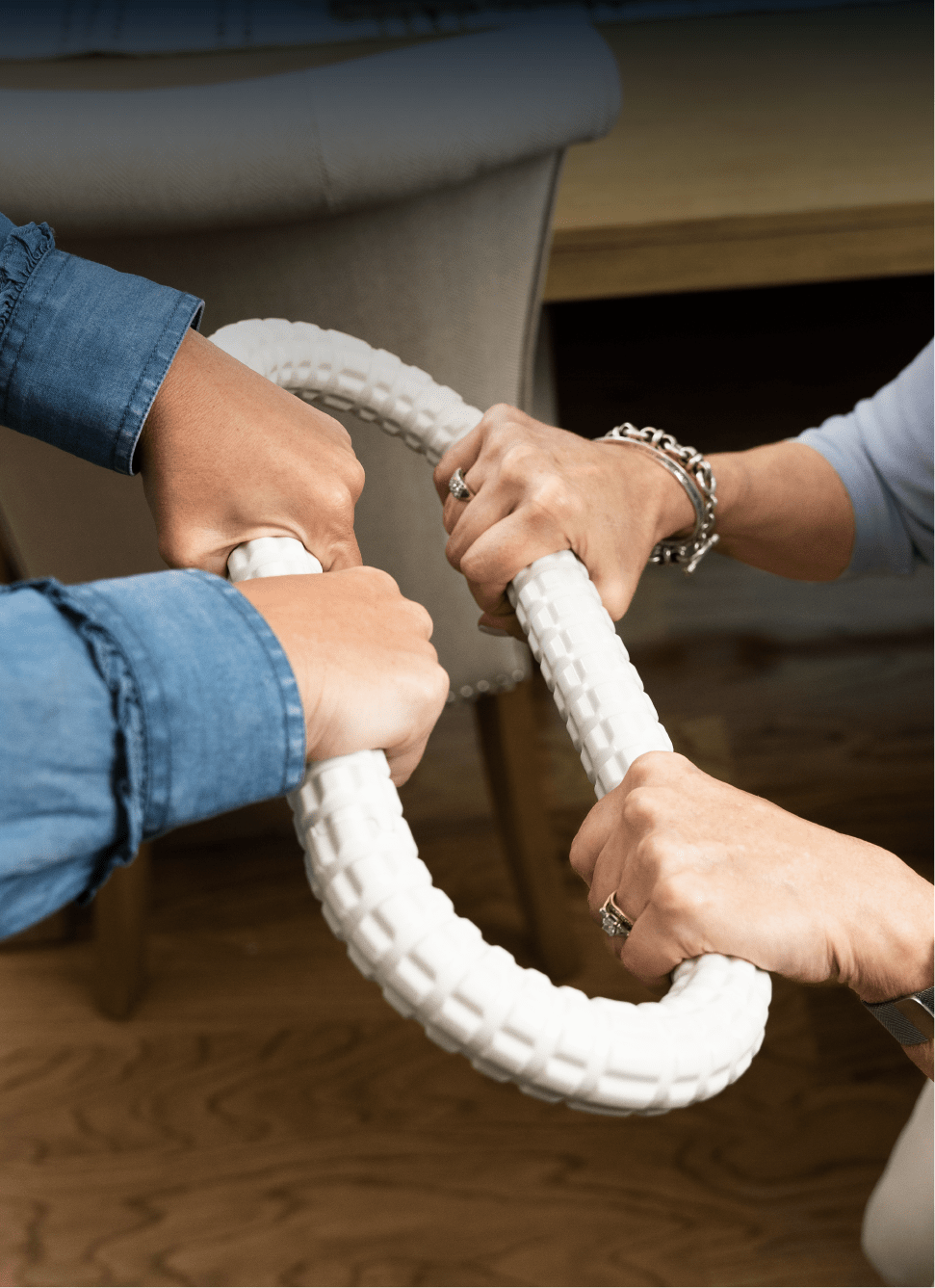
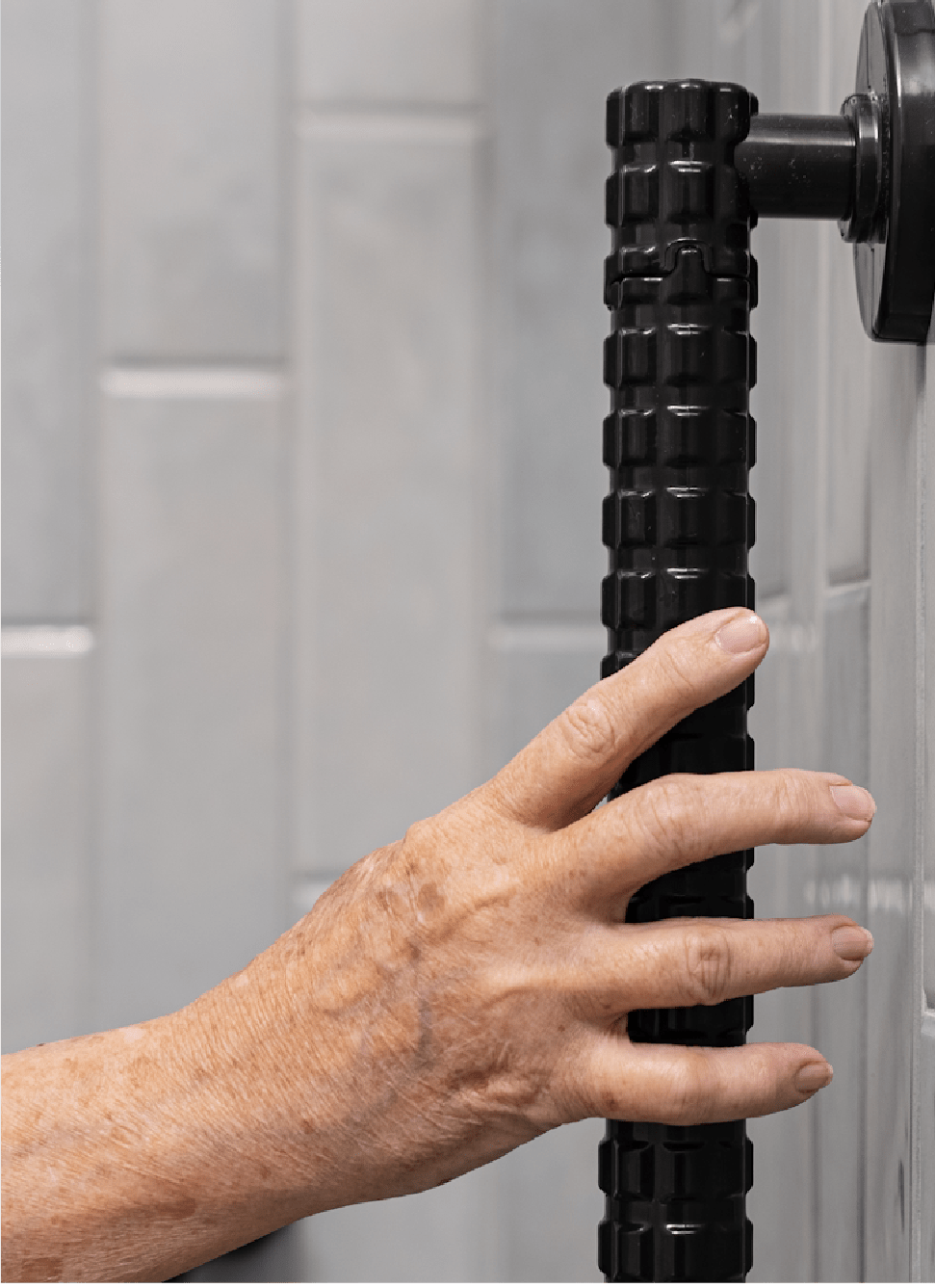
SafetyGrip is the result of cutting-edge research and collaboration with the KITE Research Institute at Toronto Rehabilitation Hospital.
Guided by the expertise of Dr. Geoff Fernie, CM, PhD, FCCA, this patented design solves real-world safety challenges by going beyond old standard grab bar designs.

SafetyGrip® StepAssist is an innovative solution to a common yet overlooked home hazard – the transitional step from the home to a garage, patio, mudroom, lanai or breezeway. Available in multiple sizes for 1 to 3 steps.
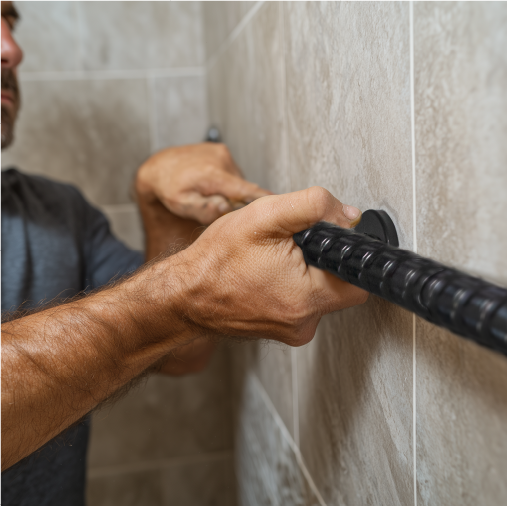
93% of remodelers report that installing grab bars is the most common aging-in-place modification. Choose the best.
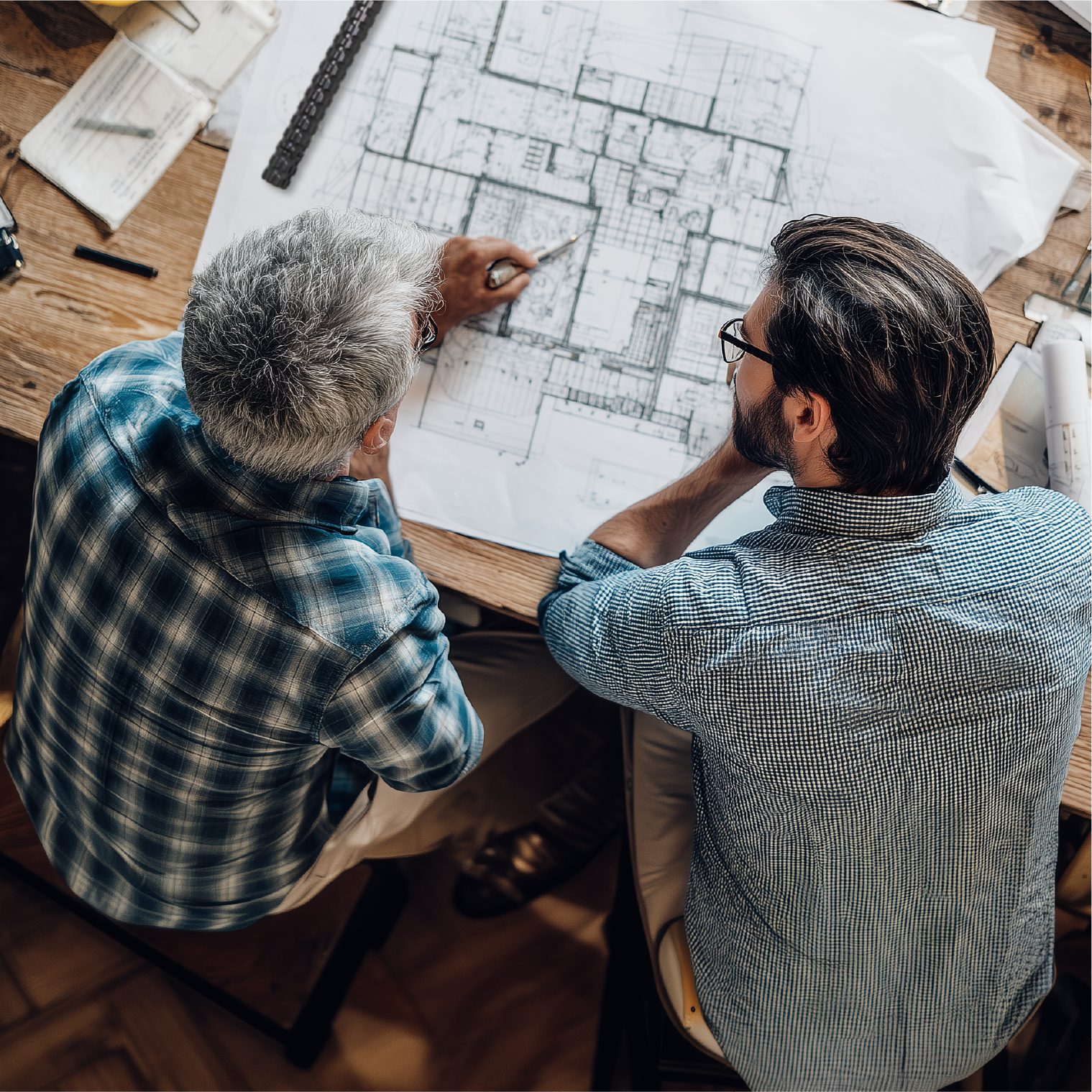
Lead the way with aesthetically versatile advanced Universal Design stability that meets rigorous safety and accessibility standards and sets you apart.
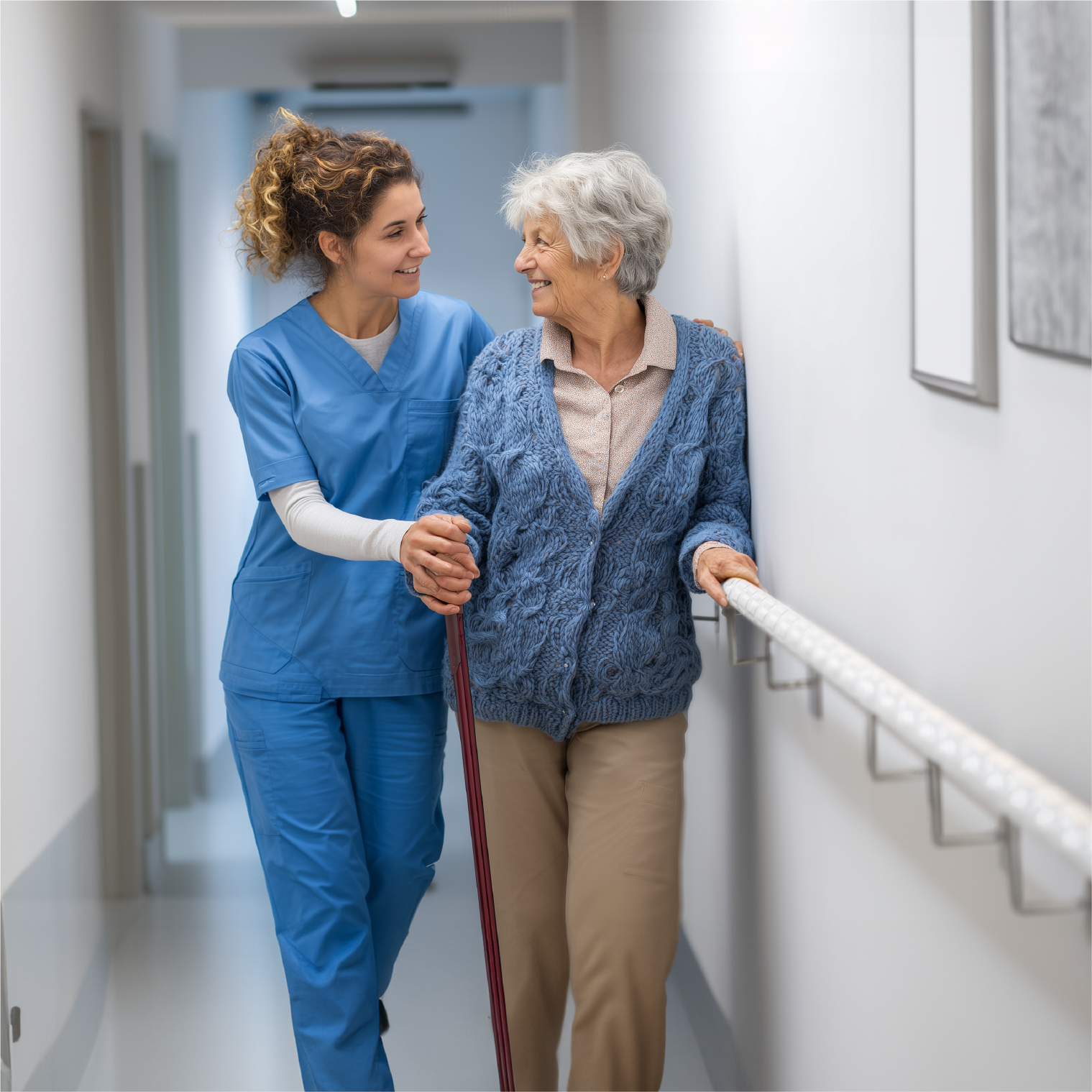
Designed and engineered for enhanced mobility, stability, and improved independence for better patient outcomes.
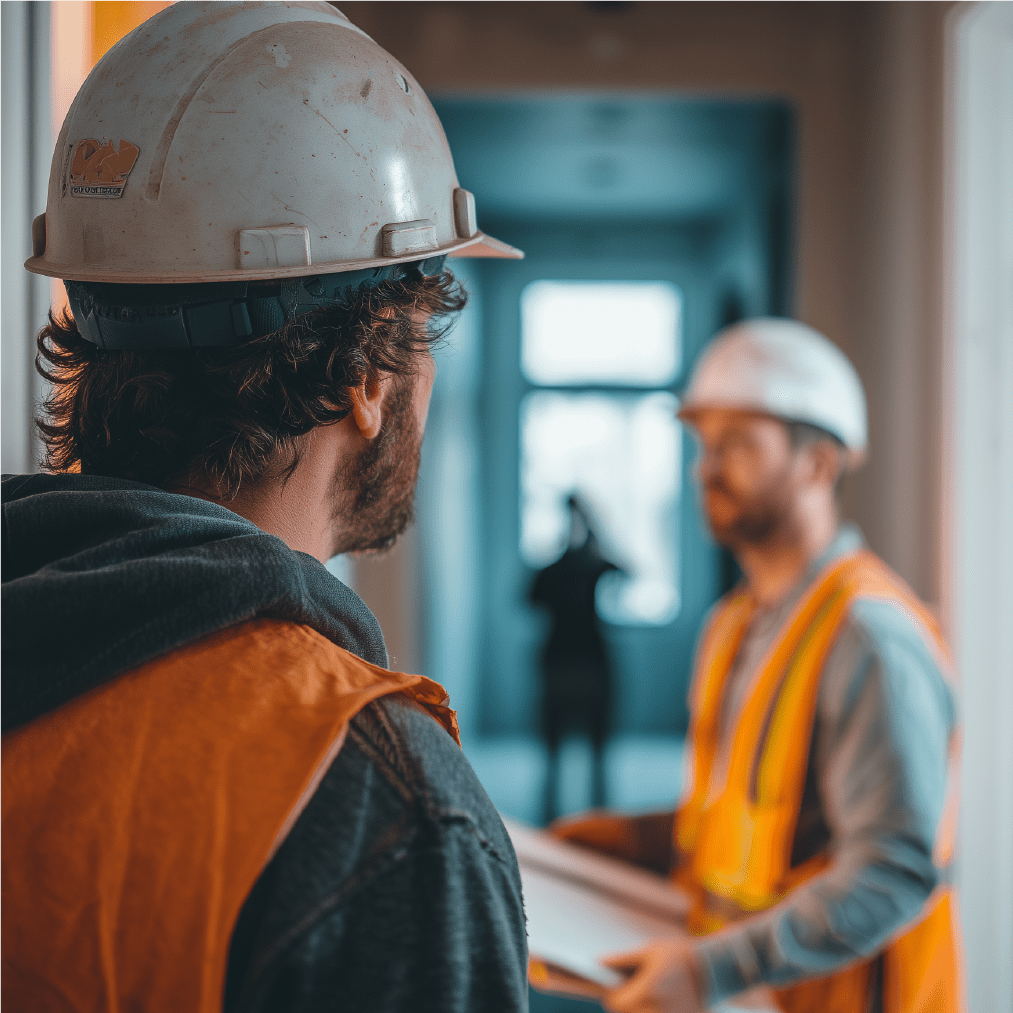
Exceed safety and accessibility codes and design for the future with SafetyGrip.

Durable, low maintenance mobility solutions enhance resident safety and drive occupancy and resident satisfaction.

Secure, molded slip-resistant surfaces reduce risks, increase confidence, independence, and peace of mind.